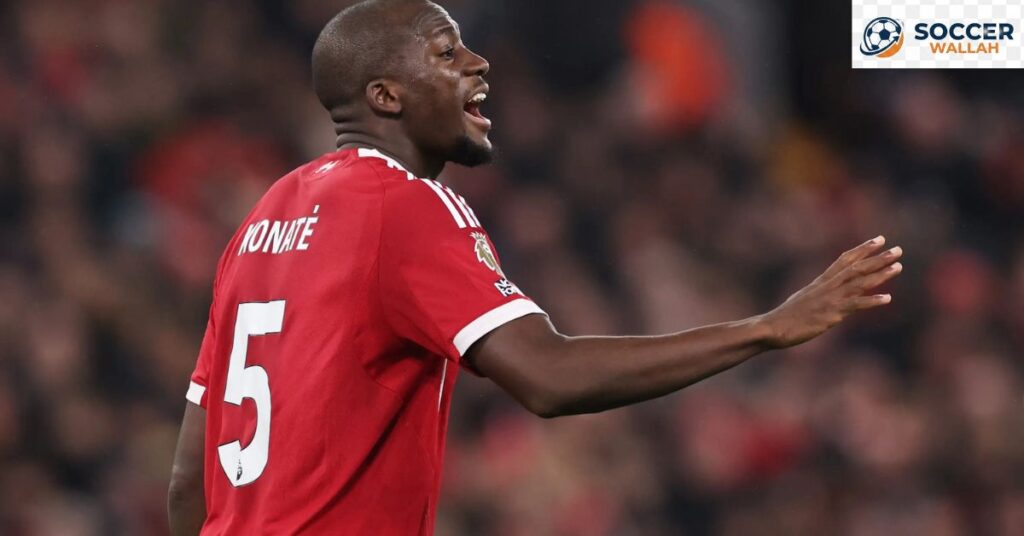
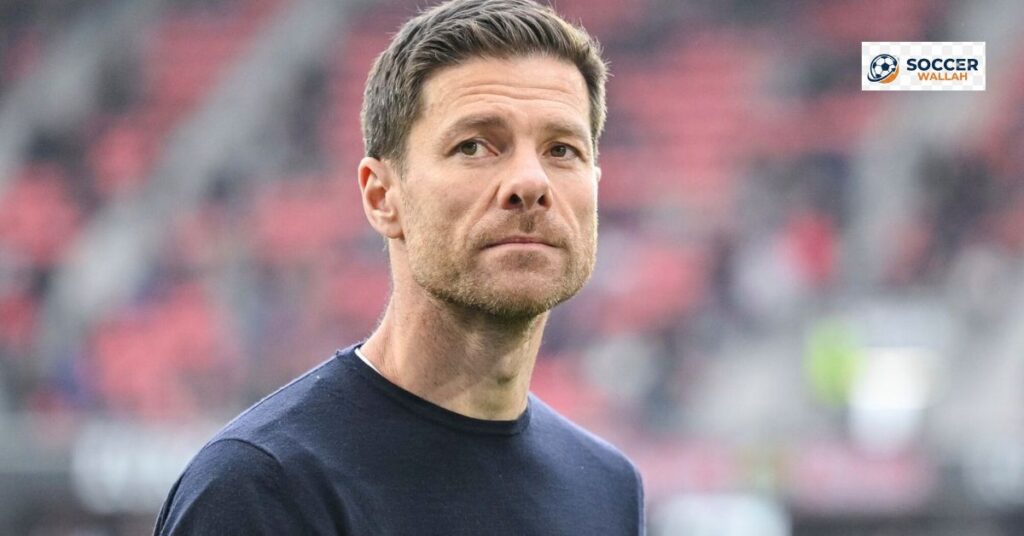
The Santiago Bernabéu once buzzed with hope for Xabi Alonso, a beloved former player returning to manage Real Madrid in the summer of 2024. He arrived after a fairytale, unbeaten Bundesliga title run with Bayer Leverkusen. But the dream quickly soured. By early 2026, Alonso was sacked, leaving fans to ponder what went wrong beyond the initial hype and pinpointing fresh reasons for his short tenure.
His brief time in charge concluded with the club struggling, sitting a disappointing fourth in La Liga, ten points behind rivals Barcelona. The swift downfall from “invincible” coach to dismissed manager has prompted a deeper look at the challenges he faced.
The Swift Fall From Grace
Alonso’s appointment felt like a homecoming. He took over from Carlo Ancelotti, fresh off leading Leverkusen to an historic unbeaten Bundesliga season in 2023-24, a feat widely celebrated by Bundesliga official site records. His Madrid journey started strong too, with a dominant 5-0 La Liga victory over Alavés on August 18, 2024. But that early momentum didn’t last.
The team’s form deteriorated sharply through late 2025. Key defeats included a 4-0 Champions League group stage loss to Manchester City in October 2025, and a painful 3-1 derby defeat against Atlético Madrid in December. The club confirmed his sacking on January 15, 2026, with Florentino Pérez citing “results not matching expectations.” This rapid exit reportedly cost Madrid around €50 million in severance and transfer adjustments, according to estimates from The Athletic.
Tactics, Egos, and the Bernabéu Pressure Cooker
Fans, as ever, have been vocal. Beyond the obvious poor results, a consensus formed around Alonso’s struggle to manage the immense egos within the Madrid dressing room. Players like Vinícius Júnior and Jude Bellingham, massive talents, require a delicate touch. Sources from post-sacking fan forums, like Reddit’s r/realmadrid, talked about Alonso’s inability to connect with these star players. This appears to be a major part of the “another reason” fans have fixated on.
Tactically, there were issues too. Alonso’s possession-based style, which worked wonders at Leverkusen, seemed to clash with Madrid’s traditional counter-attacking strengths. His high press, effective in Germany, sometimes faltered against top-tier European opposition. Ex-player Río Ferdinand observed on BT Sport that “Leverkusen was squad perfection; Madrid’s chaos exposed him,” highlighting the immense difference in club cultures and player profiles. Guillem Balagué, from The Athletic, described it as an “ego mismatch—Alonso’s discipline clashed with stars’ freedom.” And some fans felt he ignored young talents like Arda Güler, preferring veterans.
Immediate Fallout and Future Implications
Alonso’s departure led to interim manager Raúl González stepping in. Raúl stabilized the team somewhat, securing three wins in four matches. However, the damage was done. Real Madrid finished third in La Liga, with Barcelona clinching the title. The Champions League campaign also ended disappointingly, with a last-16 exit to Liverpool under Arne Slot, as highlighted in a piece by The Times.
The long-term impact on the club is still unfolding. Fan trust in President Pérez reportedly dropped, with approval ratings in Marca polls dipping to 45%. Rumors even surfaced about Jude Bellingham requesting a transfer, though these remain unconfirmed X chatter. As for Alonso, speculation quickly turned to his next move, with Sky Sports reporting he entered talks with Bayern Munich in March 2026. This chapter certainly ended his “invincibles” aura at Madrid.
The Stark Numbers
The statistics paint a clear picture of the struggles. Alonso’s Real Madrid record stood at 52 games played, with 28 wins, 12 draws, and 12 losses. That’s a 54% win rate. It falls short of Carlo Ancelotti’s 62% win rate. Madrid scored 92 goals but conceded 60, showing defensive vulnerabilities and an underperformance in expected goals. Leverkusen’s 2023-24 season saw them amass 90 points with zero losses; Alonso’s Madrid finished the 2024-25 season with 72 points, in third place.
The club’s financial outlay of €120 million net spend under Alonso yielded a negative points-per-GDP ratio, according to Swiss Ramble analysis. The contrast with his previous success is stark. His tenure at Real Madrid, though initially promising, served as a potent reminder of the unique demands and pressures of managing one of football’s biggest clubs.