FIFA gave the green light in March 2026 for seven players to switch their footballing allegiance to Morocco, a big move for the rising African football power. Among them are some recognizable names, like Fulham’s Issa Diop and Ajax’s promising midfielder Rayane Bounida. This isn’t just a few players changing shirts, it’s a calculated boost for Morocco’s 2026 World Cup aspirations, part of their long-game strategy.
The approvals come under FIFA Statutes Articles 5-9. These rules let players, who maybe played for another country’s youth teams, declare for a new nation if they hold permanent citizenship and haven’t played too many competitive senior games. It’s a system Morocco has really made work for them, and this batch of players just adds more firepower.
New Faces for the Atlas Lions
We don’t have the full list of all seven players yet, but a few names are out there. Issa Diop, a big center-back from Fulham, he’s 28 now. He previously wore the France U21 jersey a few times. Then there’s Rayane Bounida, an exciting 19-year-old midfielder from Ajax. He’s got Belgium youth caps to his name. And Saif Eddien Lazar, a 20-year-old midfielder from Genk, also played for Belgium’s youth squads. The Las Vegas Sun reported these names when the news broke.
It’s all about deepening the squad. Morocco’s doing pretty well in the CAF Group B standings for the 2026 qualifiers, unbeaten after five matches. So, adding players like Diop, who’s got Premier League experience, and young talents like Bounida and Lazar, that’s just going to make them even tougher. These clearances happened in March 2026, so they’re all set to be called up.
Morocco’s Diaspora Playbook
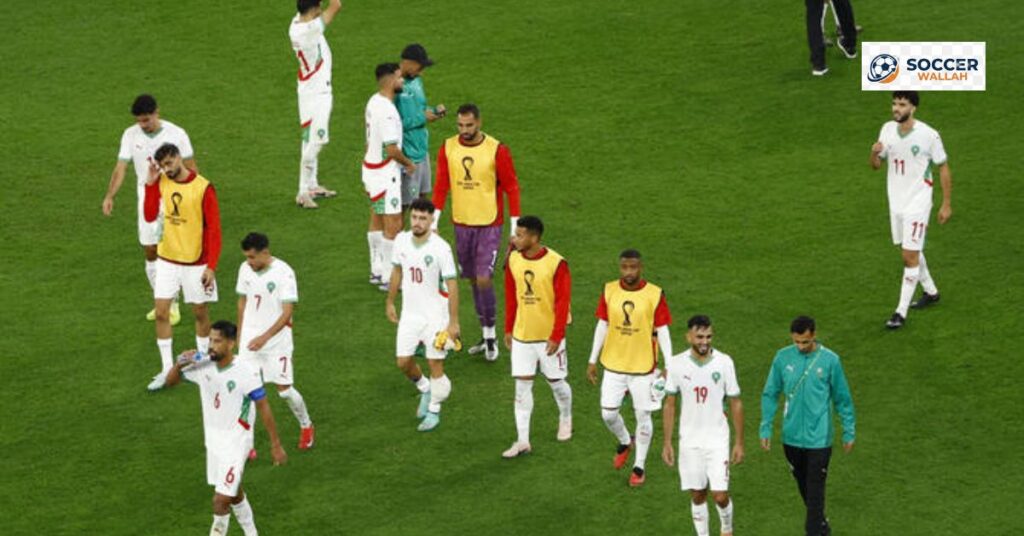
This isn’t new for Morocco. They’ve been really smart about recruiting players from the diaspora. You know, guys eligible through ancestry or birthright who grew up playing in European academies. It’s transformed them into a real force on the international stage. Think back to the 2022 World Cup where they were semi-finalists. Players like Sofyan Amrabat, who played for Netherlands youth, and Noussair Mazraoui, same story, they were key to that success.
And it’s not just Morocco. Other nations, like Kenya, are looking to their diaspora talent too, using these same FIFA rules. But Morocco has really perfected it. With the 2026 World Cup expanding to 48 teams, it just makes the qualification path a bit easier, and having this depth is a massive advantage. This strategy? Analysts say it’s transformed them from dark horses to contenders. It’s a pretty strong way to build a team, really.
Individual Impact and What It Means
Let’s look at Diop. He’s 28, a French-born center-back, 100-plus appearances for Fulham since 2022. He’s good in the air, wins a lot of duels, something like 2.1 aerials won per game in the 2025-26 Premier League season. He’ll bring experience and a solid defensive presence. Rayane Bounida, he’s just 19, an Ajax academy product. Hasn’t made a senior debut yet but showed promise in youth games, with 5 goals in 10 matches. He’s a potential creative midfielder for the future.
And Saif Eddien Lazar, 20, from Genk, he’s made 15 appearances and got 2 assists. These young guys, they’re long-term assets for Morocco. For their clubs, like Fulham, Ajax, and Genk, it mostly just means they might lose these players during international windows for AFCON or World Cup qualifiers. But it won’t mess with their club form much. For Morocco, it’s just pure gain, more options, more competition for places. This “talent repatriation” idea? It seems to be working out pretty well for them, building a really strong squad for the future.
The Road Ahead
So, these players are now eligible. When will we see them in a Morocco jersey? That’s the big question. No debuts have been reported yet, but fans are waiting. You’d imagine they could be called up for upcoming internationals, maybe even as soon as the next window after these March 2026 approvals. MoroccoBeat.com provided some context about the FIFA rules involved in all this.
The fact is, a lot of what’s happening still has some unconfirmed bits. We don’t know the full list of all seven players yet, or their exact prior caps. But what we do know is Morocco is serious about their 2026 World Cup campaign. They’re building something special, and bringing in this kind of talent, from Diop’s experience to Bounida’s youth potential, it shows they’re not just hoping for success. They’re working for it. And they’re not really slowing down. It’s a smart play, one that could see them go even further next time.