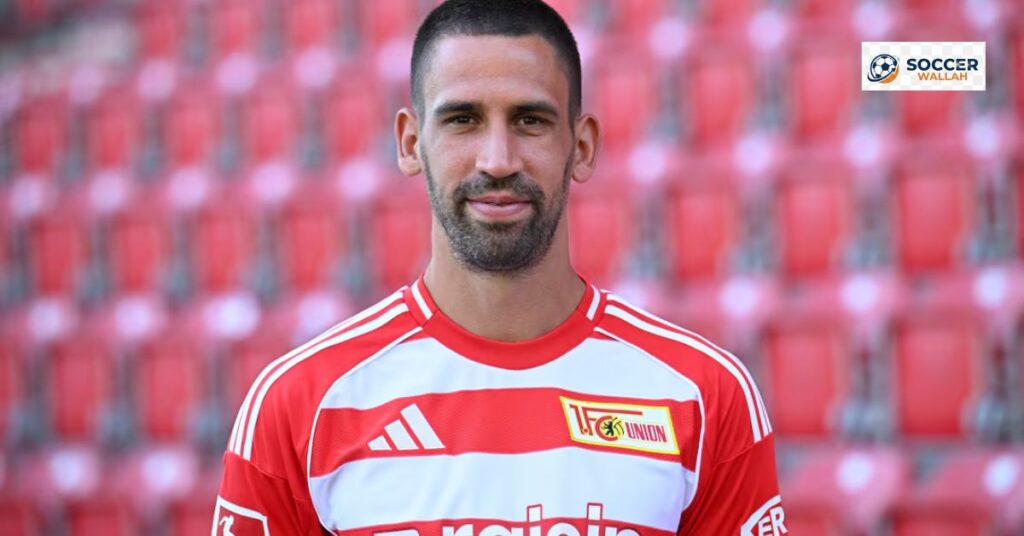
FIFA has finally given its blessing. Rani Khedira, the 32-year-old midfielder from Union Berlin, can now play for Tunisia. This decision, ending a long dispute, means Khedira could join the “Eagles of Carthage” for the World Cup in Qatar, which was just three months away when the news broke early October 2022.
It’s a big deal for Tunisia. They’re getting a seasoned Bundesliga player. And Rani, well, he’s getting his first taste of senior international football, representing the country of his parents.
Long Road to the National Team
This wasn’t a quick approval. It was a “long-running saga,” according to OneFootball. Khedira, born in Germany, played for their youth teams (U19/U20). Those caps held up his switch for a bit. FIFA’s rules mean players can change allegiance once, if they meet certain criteria.
Many soccer fans know his older brother, Sami Khedira, a World Cup winner with Germany in 2014. Sami chose Germany, but Rani decided on Tunisia. It’s a different path for the younger Khedira, one that brings a lot of excitement for Tunisian supporters.
You May Like –
- Why Are Chelsea Fans Booing Garnacho? Liam Rosenior Sends Strong Message Ahead of Aston Villa Match
- Cristiano Ronaldo Hamstring Injury: Portugal Star Could Miss Final 2026 World Cup Camp
- Chelsea Transfer News: Estevao Willian Explains Why He Rejected Manchester United Move
World Cup Boost for Tunisia’s Midfield
Tunisia’s football federation shared the news on Facebook, full of enthusiasm. And why not? They’re heading to the World Cup, drawn in Group D against tough teams like France, Denmark, and Australia. Midfield solidity was a concern for them after qualifying, sources say.
Khedira brings that. He’s a defensive midfielder, right-footed, known for his tackling and passing. His experience in the Bundesliga, where he’s played over 150 games, could be vital. OneFootball also highlighted his potential to debut in prep matches before Qatar.
He’s a proven player. Last season with Union Berlin, he made 30 appearances, helping them finish top-4 and qualify for Europa League. His stats tell a story:
| Metric | Rani Khedira (Union Berlin 2021/22) | Tunisia Midfield Avg (WC Qualifiers) |
|---|---|---|
| Appearances | 30 | N/A |
| Goals/Assists | 1/2 | Low-output focus |
| Tackles/Game | 2.1 | 1.8 (team est.) |
| Pass Acc. | 86% | 82% |
Those numbers suggest he’s a step up. He improves Tunisia’s midfield metrics. They’re ranked around 30th by FIFA, and he adds depth. This type of player can make a difference in a tight World Cup group.
Diaspora Talent and Evolving Rules
This move is part of a bigger trend. African nations are more and more looking to their diaspora talent. FIFA’s eligibility tweaks between 2020 and 2022 made these switches easier. Players need three years residency in the new nation, for example. Khedira’s time with Union Berlin, which he joined in 2021, helped here.
It’s interesting. Sami Khedira chose Germany. Rani chose Tunisia. It shows the changing landscape for dual nationals. Many German outlets felt Germany lost out, which is understandable. But it’s a win for Tunisia.
And it’s a good career move for Rani. International exposure can raise a player’s profile. Tactically, he fits Tunisia’s counter-attacking style under coach Jalel Kadri. He could be a bench option for the opener against Denmark, maybe a long-term starter for AFCON cycles.
What’s Next for Khedira?
He’ll likely join Tunisia for World Cup prep matches. This gives him a chance to integrate with the squad. Union Berlin won’t be affected by this. International switches are outside club schedules, so it’s all good there.
This sets a precedent for Tunisia. It could make other German-Tunisian players consider the same path. Khedira’s decision aligns perfectly with the urgency created by Tunisia’s World Cup qualification earlier this year. It’s a timely addition for a team looking to make some noise in Qatar.